
cost of toughened glass
In the world of industrial machinery and fluid control, metal valves play a pivotal role in ensuring seamless operations across diverse sectors such as oil and gas, chemical processing, and manufacturing. The reliability and effectiveness of these valves can significantly influence operational efficiency and safety, making them a cornerstone in the industrial supply chain. With years of hands-on experience in the field, it’s apparent that not all metal valves are created equal—differences in materials, design, and application can substantially impact their performance. When selecting metal valves for critical operations, several factors deserve meticulous attention. Material composition is fundamental. High-quality alloys such as stainless steel, brass, and carbon steel offer distinct advantages depending on environmental conditions. For instance, stainless steel valves are noted for their corrosion resistance and strength, making them ideal for high-stress environments such as offshore oil rigs. On the other hand, brass valves provide excellent ductility and are often used in applications requiring a good seal and moderate temperature resistance. Expertise in valve design is crucial for any business seeking to optimize their operations. Advanced manufacturing techniques such as CNC machining have allowed for precise control over valve dimensions, which in turn enhances their ability to withstand high pressures and temperatures. For high-pressure applications, such as those found in chemical processing plants, precision-engineered ball valves are often recommended. These valves ensure tight shut-off capability and minimize the risk of leakage, ensuring that harmful substances are safely contained. One cannot overlook the authoritative benchmarks set by established industry standards such as API, ANSI, and ISO. These standards provide guidelines ensuring that metal valves meet requisite safety and performance criteria. Valves certified under these standards bring an added layer of trustworthiness, signaling to users that they can withstand rigorous operational demands. A thorough understanding of these certifications is beneficial for engineers and procurement specialists aiming to integrate metal valves into their systems reliably. metalvalves The trustworthiness of a valve supplier also cannot be overstated . Collaborating with manufacturers who have a proven track record in delivering high-quality metal valves can make a significant difference. It is advisable to evaluate suppliers based on their history of delivering on-time solutions, post-sales support capability, and customer testimonials. This kind of diligence can uncover manufacturers genuinely invested in supporting the long-term success of their clients. From a practical standpoint, real-world application and testing provide the final validation of a metal valve’s adequacy for specific tasks. Encouraging case studies from various sectors demonstrate the wide-ranging applicability of these valves. For instance, in the food and beverage industry, metal valves ensure the safe transfer of liquids in processing plants, reaffirming their versatility and importance. In navigating the complex landscape of metal valves, businesses are best served by relying on a combination of empirical experience and authoritative guidance. Leveraging expert knowledge not only enhances operational reliability but also mitigates risks associated with valve malfunctions. Ultimately, choosing the right metal valve—crafted with precision, certified for quality, and backed by reputable expertise—can significantly contribute to operational excellence and safety.
about
cost of toughened glass
Understanding Large Globe Valves Functionality and Applications Large globe valves are essential components in various industrial applications, providing reliable control and regulation of fluid flow. These valves are particularly recognized for their effectiveness in managing the flow of liquids and gases in pipelines. Characterized by a spherical body and a movable disk, globe valves offer significant advantages in terms of control precision, making them a popular choice across multiple sectors. A globe valve’s design is distinctively engineered. The valve consists of a rounded body with an internal baffle that separates the inlet and outlet. A stem extends from the disk, allowing it to move up or down to either close off or open the flow path. This mechanism is particularly beneficial as it allows for smooth control over the flow rate, making it a prime choice for applications requiring high operational consistency. One of the main advantages of large globe valves is their ability to handle significant pressure drops while maintaining a consistent flow rate. This quality is vital in systems where pressure variations can lead to inefficiencies or even failures. For instance, in water treatment plants or chemical processing facilities, globe valves can ensure that the flow remains steady, facilitating the smooth operation of downstream equipment. Moreover, large globe valves are known for their durability and longevity. Constructed from robust materials, such as stainless steel, cast iron, or other alloys, these valves can withstand harsh operating conditions. Their ability to resist corrosion and wear makes them suitable for a wide range of environments, including high-temperature and high-pressure systems. This durability translates into reduced maintenance costs and extended service life, providing long-term benefits for industrial operations. large globe valve In terms of applications, large globe valves are extensively used in various settings . They are particularly prevalent in power generation, oil and gas industries, chemical manufacturing, and water distribution. For instance, in power plants, these valves control the flow of steam and water, optimizing efficiency and safety. Similarly, in the oil and gas sector, they regulate the flow of crude oil and natural gas, ensuring that the transportation of these resources remains safe and efficient. Another critical aspect of large globe valves is their ease of operation. These valves can be operated manually or automatically, with various actuation methods available, including electric, pneumatic, and hydraulic systems. This versatility allows for their integration into automated systems, enhancing operational efficiency and minimizing the risk of human error. By incorporating large globe valves into an automated control system, industries can achieve better response times and improve overall system reliability. Despite their many advantages, users must consider a few limitations of large globe valves. While they excel in flow control, their design can lead to higher pressure drops compared to other types of valves, such as gate valves. Additionally, their size and weight may require substantial installation space and support structures, which can be a drawback in certain applications. In conclusion, large globe valves play a pivotal role in industrial fluid control applications. Their design facilitates precise flow management, making them suitable for various demanding environments. With benefits such as durability and versatility, these valves are indispensable in sectors ranging from power generation to water distribution. As industries continue to evolve, the importance of globe valves in ensuring efficient and safe operations will remain paramount, underpinning the need for ongoing innovation and optimization in valve technology.
-

High quality industrial productsagement

High quality industrial products
View Details -

Meet the diverse needs of customers

Meet the diverse needs of customers
View Details -

Strict quality control

Strict quality control
View Details -

Top raw materials

Top raw materials
View Details -

Trusted supplier

Trusted supplier
View Details
Our application



news and information
Using a Level to Align a Marking Ruler for Precision Measurements
marking ruler with spirit level .
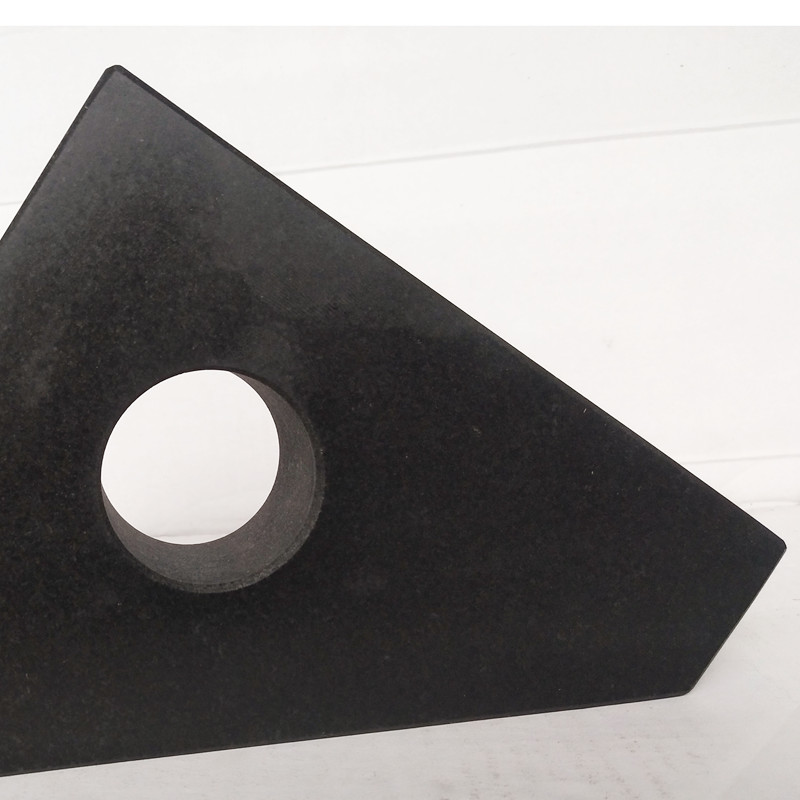
Vidin'ny vidin'ny fitaovana fanombanana tariby sy fangarona
Ny vidin'ny fitaovana fanombanana rohy dia tena zava-dehibe amin'ny indostria sy ny sehatra hafa man

Valve Types & Applications
The valve industry is a cornerstone of modern infrastructure, serving critical roles in plumbing, oi
 English